Starting a gaming clan is exciting. You recruit a few friends, create a Discord server, choose a clan name, and start competing together. Everything feels promising during those first few weeks.
But six months later, the Discord server is silent, half the members have disappeared, and the clan leader is wondering what went wrong.
This happens to gaming communities across nearly every multiplayer genre, from competitive first-person shooters to MMORPGs and survival games.
The problem usually isn't the game itself.
Most gaming clans fail because they never establish the leadership, structure, and community culture needed to survive long-term.
Here are seven common mistakes that cause gaming clans to collapse and what successful communities do differently.
1. Poor Leadership and Lack of Direction
Every successful gaming clan needs leadership. Unfortunately, many clans begin with someone creating a Discord server and declaring themselves the leader without establishing any actual responsibilities.
Members eventually become frustrated when decisions are inconsistent, disagreements go unresolved, or nobody knows what the clan is trying to accomplish.
How to avoid this mistake:
Establish clear leadership roles.
Define the clan's purpose and goals.
Delegate responsibilities to trusted members.
Communicate important decisions openly.
Create a process for resolving disputes.
A clan leader doesn't need to be the best player. They need to be someone who can organize people and maintain a positive environment.
2. Recruiting Too Many Players Too Quickly
Growing a clan sounds like a good thing, but rapid recruitment can create serious problems.
Some clan leaders focus entirely on membership numbers, inviting anyone willing to join.
This often results in a community filled with inactive players, conflicting personalities, and members who have little interest in participating.
A gaming clan with 20 active members can be significantly healthier than one with 500 members who rarely interact.
Focus on quality over quantity.
Recruit players who share your clan's interests, expectations, and preferred gaming schedule.
3. No Regular Events or Activities
One of the fastest ways to lose members is to give them nothing to do.
Players initially join gaming clans because they want teammates, competition, social interaction, or organized events.
When those activities disappear, members gradually move on.
Successful clans create reasons for people to return.
Examples include:
Weekly multiplayer gaming nights.
Competitive tournaments.
Clan-versus-clan matches.
Training sessions for newer players.
Seasonal competitions.
Community challenges and achievements.
Not every activity needs to be competitive. Sometimes a casual gaming night is enough to strengthen relationships between members.
Consistency matters more than complexity.
4. Toxic Behavior Goes Unchecked
Competitive gaming can bring out strong emotions.
Unfortunately, disagreements, trash talk, harassment, and personal conflicts can quickly damage a gaming community.
When leadership ignores toxic behavior, positive members often leave first.
This creates an environment where the most disruptive personalities eventually dominate the community.
Healthy gaming clans establish clear behavioral expectations.
Rules should address harassment, cheating, discrimination, excessive hostility, and other behavior that makes members uncomfortable.
Moderation should be fair and consistent, regardless of a player's skill level or seniority.
A highly skilled player who constantly drives others away may ultimately hurt the clan more than they help it.
5. Depending on a Single Game
Many gaming clans begin around one popular title.
That works well until players lose interest, the game receives unpopular updates, or the community moves toward something new.
A clan built entirely around one game may struggle when that game's popularity declines.
Consider allowing members to participate in multiple games while maintaining the clan's central identity.
For example, a competitive shooter clan might expand into other FPS titles or organize occasional survival-game events.
This flexibility helps members maintain relationships even when their gaming preferences change.
The strongest communities are often built around friendships rather than a single title.
6. Ignoring Inactive Members
Inactive members are a normal part of running a gaming clan.
People change jobs, start families, attend school, or simply take breaks from gaming.
The problem begins when leadership has no system for distinguishing temporarily inactive members from those who have permanently left.
An outdated roster makes it difficult to organize events and understand the clan's actual size.
Consider implementing:
Monthly activity reviews.
Optional inactive or away status.
Periodic membership check-ins.
Clear expectations for competitive team participation.
A welcoming process for returning members.
Avoid punishing casual members simply because they cannot play every day.
Instead, establish reasonable participation expectations based on the type of clan you're operating.
This is arguably the biggest mistake gaming clans make.
A clan is more than a collection of usernames.
Players stay when they feel connected to the people around them.
If the only interaction between members happens during matches, relationships may never develop beyond basic teamwork.
Strong communities encourage conversations, recognize accomplishments, welcome newcomers, and create opportunities for members to interact outside competitive gameplay.
Celebrate member milestones. Recognize tournament victories. Welcome new recruits personally.
Give players a reason to feel that they belong.
When members develop genuine friendships, they are much more likely to remain involved even when their favorite games change.
What Successful Gaming Clans Do Differently
Successful gaming clans rarely depend on luck.
They create systems that support long-term participation and make community management easier.
The most effective clans generally share several characteristics:
Clear leadership: Members understand who makes decisions and how the clan operates.
Consistent communication: Important announcements and events are communicated regularly.
Organized membership: Leaders know which members are active and what roles they fill.
Regular activities: Players have ongoing reasons to participate.
Positive community culture: Members feel respected and included.
Adaptability: The clan can evolve as games and player interests change.
These fundamentals apply whether you're managing a small group of friends or a large competitive gaming organization.
How Zowned Can Help Gaming Communities Grow
Managing a gaming clan becomes increasingly complicated as membership grows.
Keeping track of players, organizing clan activities, and maintaining an active community requires more than simply inviting people into a Discord server.
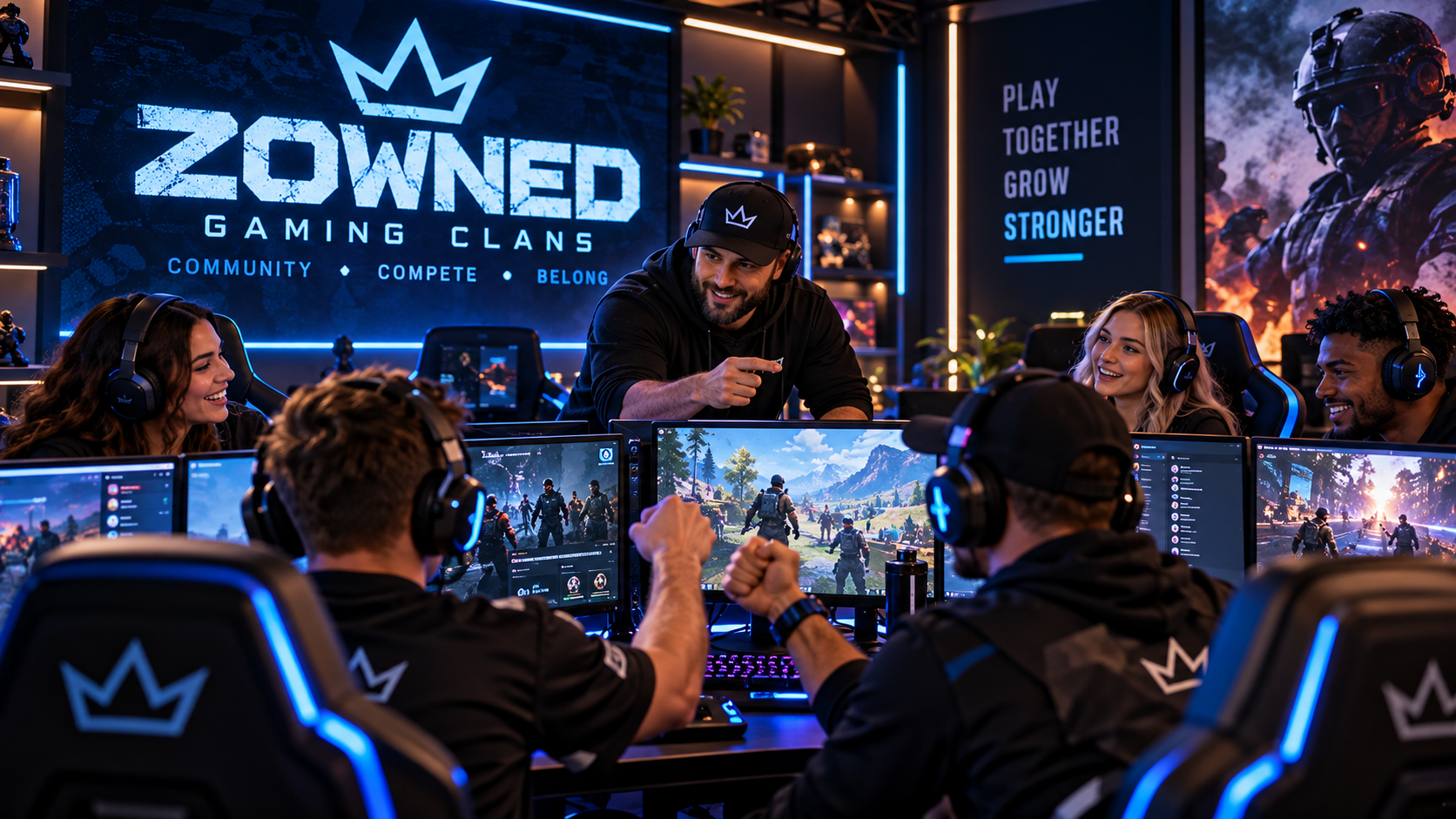
Zowned is building a platform focused on gaming clans and communities, giving gaming organizations a dedicated place to establish their identity and grow.
Whether you're starting your first clan or working to revive an existing community, having a central online presence can help create a more organized experience.
Gaming clans don't usually collapse overnight.
They decline gradually as communication slows, events disappear, and members lose their sense of connection.
The good news is that most of these problems are preventable.
Start with clear leadership, recruit the right players, organize regular activities, and create an environment where members genuinely enjoy spending time together.
The strongest gaming clans aren't necessarily the ones with the best players. They're the ones that give people a reason to keep coming back.
If you're building or rebuilding a gaming community, explore Zowned and start creating a stronger foundation for your clan.



Article Comments
Join the discussion