Most gamers think of identity as a username or rank. A role-based gaming identity goes deeper: it packages what you reliably contribute in matches—your role, habits, gear, and communication style—so other players can quickly tell whether you'll be a good teammate. This makes finding squads, making invites, or joining clans faster and less risky.
Why a role-based identity matters
Teams succeed when each player fills a clear slot and others can predict how they'll behave. A role-based identity reduces the friction of random matchmaking and short pickup groups by making your strengths visible before the first match starts. It helps you:
- Attract teammates who need your skills (support, shot-caller, scout, objective grinder).
- Join communities that value your approach instead of forcing you to adapt.
- Streamline communication by setting expectations up front.
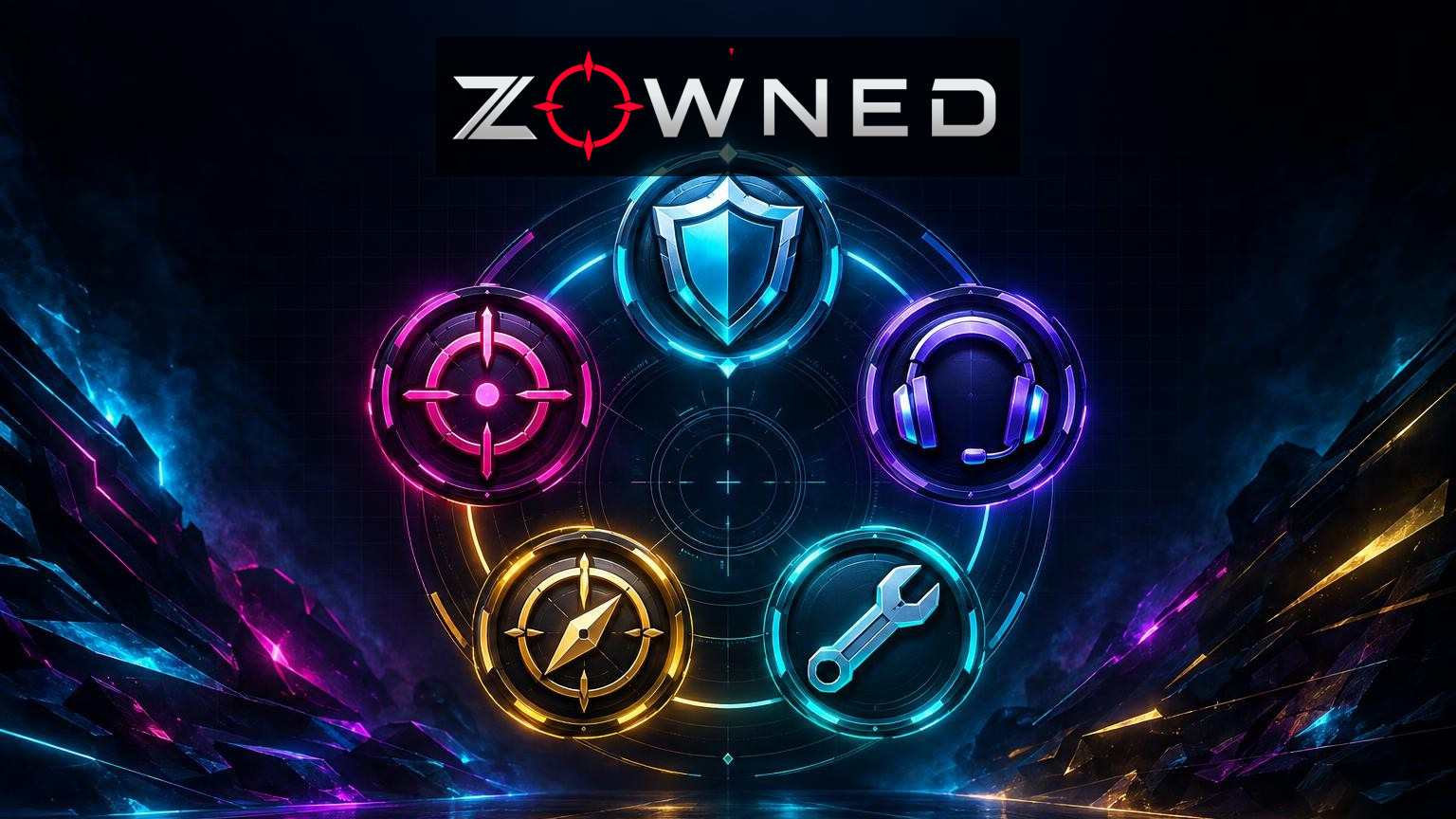
Five elements of a clear role-based identity
Think of identity as a one-page resume for matches. Use these elements to make yours consistent and discoverable.
1. Role name and short descriptor
Pick a concise label that fits your game and audience: e.g., "Rotations Anchor", "Objective Runner", "Flex Sniper", "Comms Coach". Add a one-line descriptor for nuance: "Passive lane control + map callouts" or "Aggressive flanker; rotates after first pick." Place this on your Gamer Profile and any recruitment posts.
2. Consistent loadout and playbook
Describe the weapons, builds, or abilities you favor and why. A predictable loadout signals teammates how you’ll perform under pressure and what synergies to expect. Include one contingency: when you swap roles and why (e.g., "I swap to shotgun for close-quarters defence in objectives").
3. Communication rules
Define your comm style so teammates know what to expect: are you a calm shot-caller, a tactical whisperer, or an energetic hype leader? Prefer short, actionable radio calls? Say so. Example: "I call rotations and enemy push points; mute during clutch fights unless urgent." Clear comm rules reduce in-match friction and attract players who prefer the same tempo.
4. Availability and activity signal
List typical play times, frequency, and how you prefer to join squads (DM, LFG post, scheduled scrims). On platforms with XP systems, steady activity builds trust; on Zowned, features like XP & Ranking visibly reward participation and make consistent members easier to spot.
5. Proof and micro-portfolio
Link short clips, match highlights, or role-specific stats on your gamer profile. Keep the proof focused—one or two clips demonstrating your role under pressure are more persuasive than an hour-long montage. Use your Gamer Profile to showcase badges, ranks, and role media so recruiters and clans can quickly evaluate fit.
Practical templates you can use
Use these compact templates when editing profiles, posting LFG messages, or applying to clans.
- Template for Casual Teammates: "Role: Objective Runner. Playstyle: Calm, patient, rotates after first engagement. Loadout: XYZ primary. Times: Weeknights 19:00–22:00. Clips: 2 short objective clears. Comms: Clear, concise—prefers pings over mic spam."
- Template for Competitive Tryouts: "Role: Comms Coach / Strat Caller. Playstyle: Macro-focused, VOD review available. Loadout: Utility-heavy. Availability: Partner scrims and ranked evenings. Proof: VODs + rank history. Prefers structured practice & post-game review."
How clans and communities amplify role identity
Joining an organized team that supports role identities removes the guesswork. Platforms built for gaming communities make it simple to surface role-fit. For example, Zowned’s Clans & Squads spaces let you create public and private squad pages and recruit for defined roles. Use those squad pages to advertise the exact role template above—recruiters can then match you to the slot you actually want to fill.
Tips to keep your identity honest and useful
- Be precise, not aspirational. Don’t claim a role you only sometimes play—label variations (primary/secondary) instead.
- Update after meaningful change. New strategies, a different preferred loadout, or a schedule shift should prompt a profile tweak.
- Use small badges or tags to show specific strengths (e.g., "Map Control", "Shot-Caller"). Zowned features like badges and media on profiles make these quick to display.
- Respect role overlap. Be ready to explain how your role complements common partner picks.
Conclusion
A role-based gaming identity reduces matchmaking friction and helps you build steady teams. By naming your role, documenting loadouts and comm rules, signaling availability, and sharing short proof, you make it easier for compatible players and clans to find and recruit you. Use community tools and profile features to present this identity consistently—teams recruit reliability before raw skill.
Want to take this further? Start by editing your gamer profile to include a role label and one short clip. If you run a clan, create role-specific recruitment posts in your squad pages to speed up recruitment and reduce mismatched tryouts.





Article Comments
Join the discussion